Processing time series data: What are the options?
Get your data from everywhere you can, anytime you can, they said, so you did. Now, you have a series of data points through time (a time series) in your hands, and you don't know what to do with it? Worry not, because there's a bunch of options.
Read More →Knowledge graphs beyond the hype: Getting knowledge in and out of graphs and databases

What exactly are knowledge graphs, and what's with all the hype about them? Learning to tell apart hype from reality, defining different types of graphs, and picking the right tools and database for your use case is essential if you want to be like the Airbnbs, Amazons, Googles, and LinkedIns of the world.
Read More →The past, present, and future of streaming: Flink, Spark, and the gang

Reactive, real-time applications require real-time, eventful data flows. This is the premise on which a number of streaming frameworks have proliferated. The latest milestone was adding ACID capabilities, so let us take stock of where we are in this journey down the stream — or river.
Read More →AI chips for big data and machine learning: Hard choices in the cloud and on-premise
How can GPUs and FPGAs help with data-intensive tasks such as operations, analytics, and machine learning, and what are the options?
Read More →Zen and the art of data structures: From self-tuning to self-designing data systems

Designing data systems is something few people understand, and it's very hard and costly. But that, too, could be automated, says new research from Harvard, and we're about to start seeing it in real life.
Read More →Radio data and the future of broadcasters: Using attribution analysis to measure consumer behavior
Is it possible to determine how effective radio advertising really is? TagStation says yes, using a method called attribution analysis, and this may be key for the future of broadcasters.
Read More →The best programming language for data science and machine learning
Hint: There is no easy answer, and no consensus either.
Read More →Data-driven software development in the cloud: Trends, opportunities, and threats
Software development has been fundamentally changing. It's following the data and going to the cloud. What should organizations be aware of to make the most of it?
Read More →GraphQL for databases: A layer for universal database access?
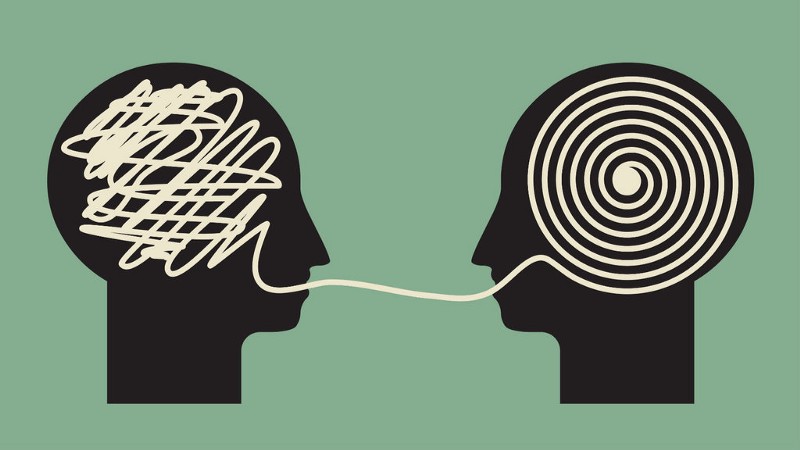
GraphQL is a query language mostly used to streamline access to REST APIs. Now, a new breed of GraphQL implementations wants to build an abstraction layer for any database on top of GraphQL, and it seems to be catching up.
Read More →Open or closed? On graph database access, query languages, community building, and TigerGraph

Having an entry path, as well as a strong community, is important for any solution, and graph databases are no different. Following latest developments in graph query languages, TigerGraph is changing its strategy. How will this affect the domain? If you’ve been watching the graph database space, you probably know TigerGraph. It’s one of the […]
Read More →