Conway’s Law and the future of healthcare data management: Genome, Blockchain, and GDPR

Maladies in healthcare data management are obvious, but what about solutions? From selling Genome data to using Blockchain and the effects of GDPR, would we rather stick to the devil we know?
Read More →Healthcare’s $3 trillion question: Should the likes of Google and Facebook control this data?
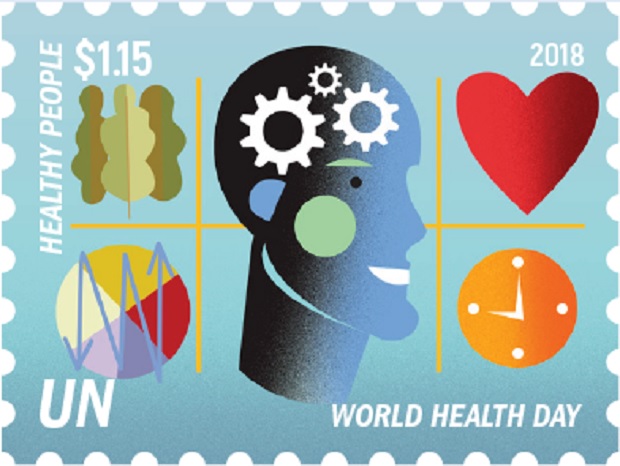
How is data managed? Do users get to have consent over how their data is used? And do they get a cut out of the value generated by using that data? Let's take a walk on the wild side.
Read More →Here we go: The Year of the Graph Newsletter Vol. 1, April 2018
Graph databases are the hottest thing around right now. Whether you are just getting started, or you are in one of the 51% of organizations already using them, this is the place to get your news and analysis. The popularity of graph databases has gone through the roof almost overnight it seems. Everything points this way: […]
Read More →GPU databases are coming of age

GPUs are powering a new generation of databases. What is so special about them and can they come into their own?
Read More →Water data is the new oil: Using data to preserve water

Data and water do mix, apparently. Using data and analytics can lead to great benefits in water preservation.
Read More →Data.world: The importance of linking data and people

Notepads, graphs, data lakes, collaboration, and data manifestos. Data.world has an interesting blend of philosophy and technology going on — and it all converges around one thing: Facilitating data-driven analysis by making it a team sport.
Read More →Back to the future: Does graph database success hang on query language?
If the history of relational databases is any indication, what is going on in graph databases right now may be history in the making.
Read More →Is 5G the missing link for autonomous vehicles, smart cities, and a brave new world?
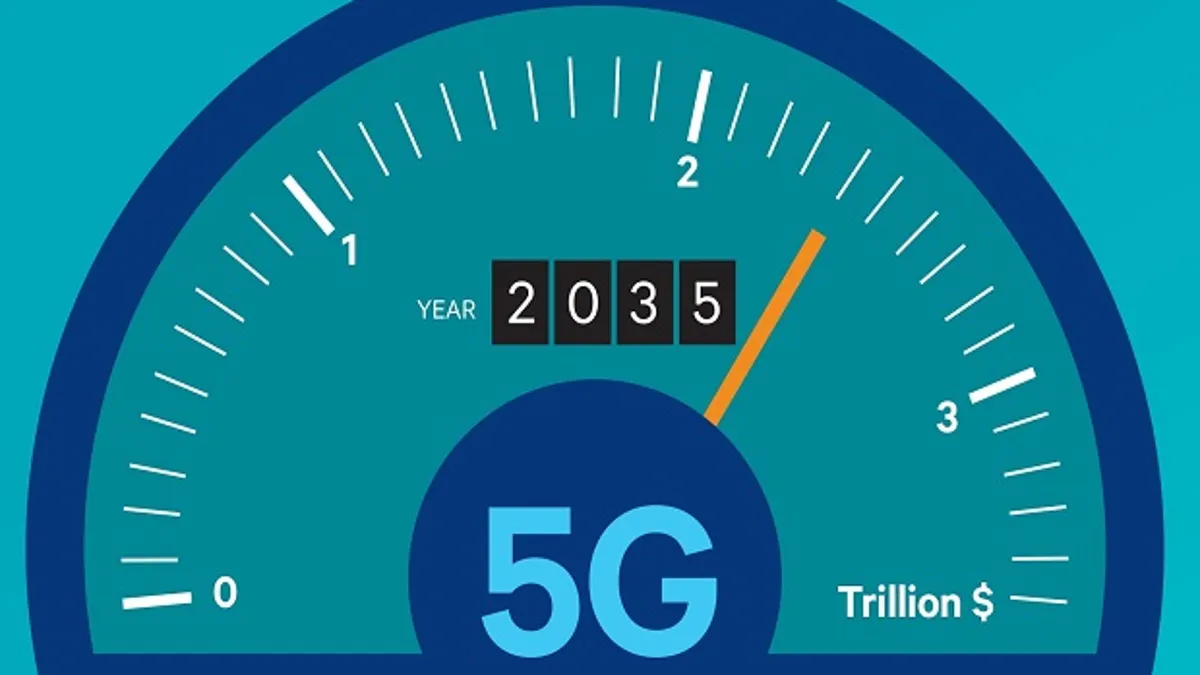
We may have hit peak 5G hype before 5G is actually available. But is 5G really a game changer?
Read More →DataTorrent: Hard code around streaming data philosophy in 90 days
We give you streaming data applications in 90 days, no matter what. And we'll do anything, including building on our closest competitor's engine, to deliver.
Read More →Reflect: Embedded meta analytics, built for developers

Cloud-based analytics for on premise data, an API-first approach for embedded product analytics, and impact-based pricing. Meet Reflect.
Read More →